_edited.png)
Step-by-Step Guide to Buying a House in 2026: Market Trends, Budgeting, and Smart Negotiation

Buying a house in 2026 will reward preparation. Prices, mortgage rates, and inventory may shift, but the strongest buyers will still do the basics well: know the numbers, choose the right location, inspect the property, and negotiate with a clear plan.
This guide is informational only. For personal financial advice, speak with a lender, tax professional, or financial advisor.

Step 1. Read the 2026 housing market before you shop
The 2026 market will likely stay mixed across the U.S. Some cities may see more inventory and softer pricing. Others may stay competitive due to job growth, limited housing supply, or desirable schools.
Watch these signals before making an offer:
Mortgage rates
If inflation cools, rates may ease. If inflation stays high, rates may remain stubborn. Even a small rate change can affect monthly payments.
Inventory
More listings give buyers more choices and stronger negotiating power. Low inventory favors sellers.
Days on market
Homes sitting longer often leave room for price cuts, credits, or repairs.
Local price trends
National headlines help, but neighborhood trends matter more. A city can cool while one school zone stays hot.
New construction
Builders may offer credits, rate buydowns, or closing cost help when they need to move inventory.
The best move is to shop with a range, not a single guess. Know what you can afford if rates rise slightly. Also know when a price drop creates a real opening.
Step 2. Get your finances ready before touring homes
Start with the monthly payment, not the listing price. A house payment includes more than principal and interest.
Plan for:
Mortgage principal and interest
Property taxes
Homeowners insurance
Mortgage insurance, if required
HOA dues, if any
Utilities
Repairs and maintenance
A simple rule helps. Keep the payment comfortable enough that one surprise bill does not strain the whole budget.
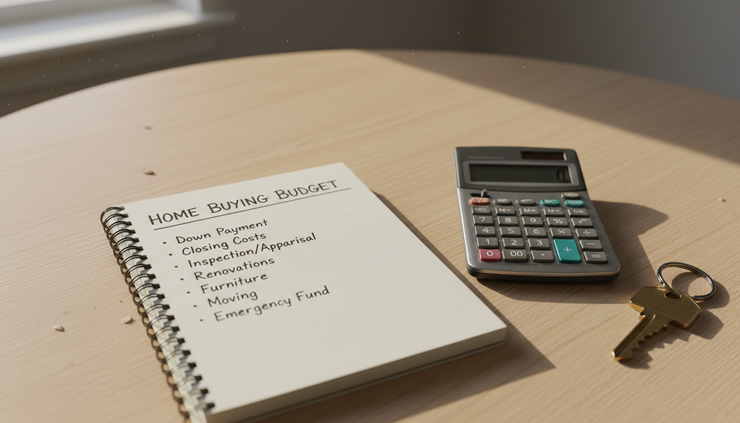
Build cash for three buckets:
Cost | What it covers |
Down payment | Your upfront equity in the home |
Closing costs | Lender fees, title fees, escrow items, and prepaid costs |
Cash reserves | Emergency savings after closing |
Get preapproved before serious shopping. A preapproval shows sellers that financing is likely to close. It also helps you avoid falling for a home outside your range.
Common mortgage options include:
Conventional loans
Good for borrowers with strong credit and stable income.
FHA loans
Often useful for buyers with lower down payments or more flexible credit needs.
VA loans
Available to eligible service members, veterans, and certain surviving spouses.
USDA loans
Designed for eligible rural and some suburban areas.
Fixed-rate mortgages
Best when you want predictable payments.
Adjustable-rate mortgages
May start lower, but future payments can change. Review the cap structure before choosing one.
Step 3. Choose the location with daily life in mind
A good house in the wrong location can become a bad purchase. Look past curb appeal. Study how the area works on a normal weekday.
Check the basics:
Commute times during rush hour
Grocery stores, pharmacies, parks, and daily services
School zones, even if you do not have children
Noise from roads, rail lines, airports, or nightlife
Flood zones, wildfire risk, or other local hazards
Future development nearby
Property tax rates and insurance costs
Internet and cell service
Visit at different times. A street can feel quiet on Sunday morning and crowded on a Friday night. Talk to neighbors if the moment feels natural. Ask what they like and what they would change.
Also review resale value. You may plan to stay for years, but life changes. Homes near strong employment centers, practical transit routes, and useful amenities often have broader appeal.
Step 4. Evaluate the property, not just the photos
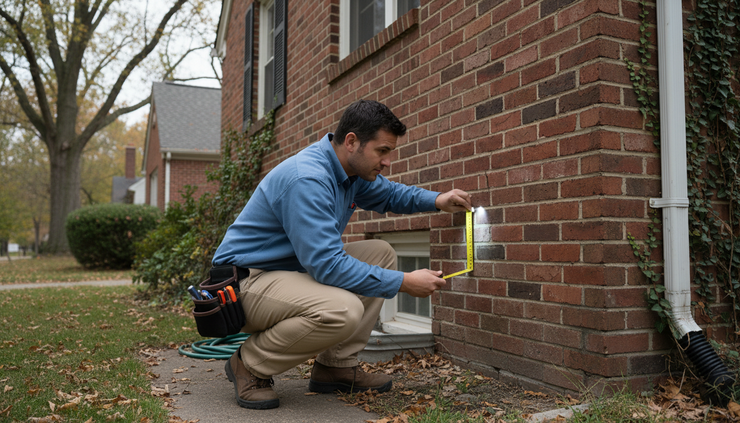
Listing photos sell the feeling. Your job is to judge the condition.
Focus on the big-ticket items first:
Roof age and visible wear
Foundation cracks or uneven floors
Plumbing condition and water pressure
Electrical panel age and capacity
HVAC age and performance
Windows and insulation
Drainage around the home
Signs of water damage, mold, or pests
Do not skip the home inspection unless you fully understand the risk. Even in a competitive market, inspections can reveal repair costs that change the value of the deal.
Also compare layout and function. A house with one fewer bedroom but a better floor plan may live larger. Storage, parking, laundry location, and access to outdoor space matter more after move-in than they do during a quick tour.
Step 5. Work with the right agent and negotiate with facts
A strong real estate agent should explain the market, flag risks, and help shape a winning offer. Look for someone who knows the neighborhoods you are considering and can show recent comparable sales.
Ask an agent:
How many buyers they helped recently in your price range
How they estimate offer value
What contingencies they recommend keeping
How they handle multiple-offer situations
How often they communicate during a search
When it is time to offer, avoid guessing. Base your offer on comparable sales, property condition, days on market, and seller motivation.
Negotiation terms can matter as much as price. Options include:
Seller credits toward closing costs
Repairs before closing
Price reduction after inspection
Flexible closing date
Rate buydown credit
Appraisal gap terms, if needed
Do not waive key protections just to win. A rushed offer can create expensive problems later.
For help reading your local market and building a smart offer plan, contact Michael Garcia Realtor.
FAQ
Is 2026 a good year to buy a house?
It can be, if the payment fits your budget and the home meets your needs. Do not wait only because of forecasts. Buy when the numbers work and the property is right.
How much should I save before buying?
Plan for a down payment, closing costs, moving costs, and emergency savings. The exact amount depends on your loan type, price range, and local taxes.
Should I buy now or wait for rates to drop?
Waiting can help if rates fall. It can hurt if prices rise or competition increases. Compare both scenarios with a lender before deciding.
What should I never skip when buying a home?
Do not skip a full budget review, preapproval, neighborhood research, and a professional inspection. These steps protect you from costly surprises.

Final takeaway
A strong 2026 home purchase starts before the first showing. Study the local market. Set a real budget. Compare mortgage options. Choose the neighborhood with care. Inspect the home without rushing. Then negotiate from facts, not pressure.
The right house is not just the one you can buy. It is the one you can afford, maintain, and enjoy after closing day.

Comments