_edited.png)
Home Inspection Checklist for Homeowners: Essential Areas, Red Flags, and Pro Tips

A house can look clean, updated, and move-in ready while still hiding costly problems. A stained ceiling may point to an old roof leak. A slow drain may signal a bigger plumbing issue. A tiny stair-step crack in brick can be harmless, or it can suggest foundation movement.
A good inspection does not replace a licensed contractor’s evaluation, but it helps homeowners spot concerns early and make better decisions. The American Society of Home Inspectors and InterNACHI both describe a home inspection as a visual review of major systems and components. That means the goal is not to tear into walls. The goal is to identify visible defects, safety concerns, and areas that need expert follow-up.
Use this home inspection checklist before buying, selling, or maintaining a home.

Start outside with the roof gutters and drainage
The roof protects everything below it, so begin there. From the ground, use binoculars if needed. Do not climb onto a roof unless it is safe and appropriate.
Look for:
Missing or damaged shingles
Curled, cracked, loose, or missing shingles can let water reach the roof deck.
Sagging rooflines
A dip in the ridge or uneven roof plane can point to framing problems or long-term moisture damage.
Rust around flashing
Check areas around chimneys, skylights, vents, and wall intersections. Flashing failures are a common source of leaks.
Clogged or pulling gutters
Gutters should be secure, clean, and pitched toward downspouts. Overflowing gutters can send water toward the foundation.
Poor downspout discharge
Downspouts should carry water away from the house, not dump it next to basement walls or crawl space vents.
Common red flags include granules piling up at downspouts, dark roof stains, soft fascia boards, and water marks under eaves. Inside the attic, stains on rafters or sheathing can support what you see outside.
Check the foundation structure and exterior condition
A home’s structure is its backbone. Small cracks are common as homes settle, especially in concrete. The concern is the type, size, and pattern of cracking.
Walk the full exterior and look at foundation walls, brick, siding, trim, grading, windows, doors, decks, and steps.
Watch for:
Horizontal foundation cracks
These can be more serious than small vertical hairline cracks, especially in basement walls.
Stair-step cracks in masonry
These may indicate settling or movement, particularly if they widen over time.
Doors or windows that stick
A single sticky door may be humidity or hardware. Several sticky doors can point to shifting.
Soil sloping toward the house
The ground should generally drain away from the foundation to reduce water pressure and basement moisture.
Rot around trim and siding
Probe suspicious wood gently. Soft or crumbling wood often means moisture has been present for a while.
Do not ignore decks and porches. Loose railings, rusted fasteners, improper ledger attachment, and rotting posts can become safety hazards.

Review plumbing electrical and HVAC systems
Mechanical systems can be expensive to repair, and many problems show warning signs before they fail.
Plumbing
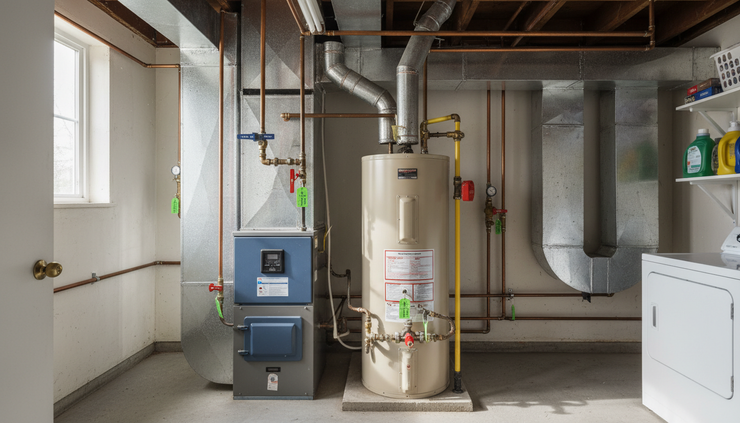
Run faucets and check under sinks. Look for active leaks, old stains, swelling cabinet floors, corrosion, and slow drainage. Flush toilets and listen for continued running. Around the water heater, check for rust, moisture, a stable vent connection if gas-fired, and a visible pressure relief valve discharge pipe.
Red flags include:
Low water pressure throughout the home
Water stains below bathrooms
Musty smells near cabinets or walls
A water heater with rust at the base
Polybutylene supply piping in older homes, which has a known history of failure
Electrical
Electrical defects can create fire and shock risks. Home inspectors commonly check the main panel, visible wiring, outlets, switches, grounding, and safety devices.
Look for:
Flickering lights
Warm outlets or switch plates
Scorched receptacles
Exposed splices
Missing cover plates
Double-tapped breakers, when two conductors are placed under a breaker designed for one
Homes should have working smoke alarms and carbon monoxide alarms where required by local rules. Ground-fault circuit interrupter outlets are common in wet areas like kitchens, bathrooms, garages, and exterior locations.
HVAC
Test heating and cooling when outdoor temperatures allow safe operation. Confirm air comes from registers, filters are reasonably clean, and the thermostat responds.
Common concerns include short cycling, loud blower noises, rust around the furnace, damaged ductwork, blocked returns, and condensation near the air handler. A dirty filter is simple, but it can also signal poor maintenance.
Inspect interior rooms for moisture safety and wear
Inside the home, move room by room. Open windows, test doors, look at ceilings, scan floors, and check walls near plumbing fixtures.
Focus on these areas:
Ceilings and walls
Brown stains, bubbling paint, or patched areas can point to past leaks. Ask when repairs were made and whether the leak source was fixed.
Floors
Sloping floors, soft spots, or cracked tile can indicate framing movement, water damage, or poor installation.
Windows
Fog between panes means the insulated glass seal has failed. Rot on sills suggests moisture exposure.
Attic
Look for adequate ventilation, visible insulation, roof leaks, pest signs, and bathroom fans that vent into the attic instead of outside.
Basement or crawl space
Check for dampness, standing water, mold-like staining, pest evidence, and damaged floor joists.
Pay attention to smell. A strong air freshener in one room may be harmless, but it can also mask mildew, pets, smoke, or sewer gas.
Know when to hire a professional inspector
A homeowner can spot many obvious concerns, but a professional inspector brings training, tools, and a methodical process. Many inspectors use moisture meters, electrical testers, infrared cameras, and detailed reporting software. More important, they know how defects connect. For example, they may link a wet basement wall to poor grading, clogged gutters, and a short downspout.
A thorough inspection helps by:
Identifying safety issues before they become emergencies
Creating a written record of visible conditions
Helping buyers negotiate repairs or credits
Helping sellers fix problems before listing
Giving homeowners a maintenance plan
A standard inspection usually does not include every specialty system. Pools, septic systems, wells, chimneys, sewer lines, pests, and environmental concerns may need separate experts. Ask what is included before the inspection starts.
If you are preparing to buy or sell and want help planning your next step, contact Michael Garcia Realtor for guidance.

FAQ
How long does a home inspection usually take?
Most inspections take a few hours, depending on the size, age, and condition of the home. Larger homes and older properties often need more time.
Should sellers get a pre-listing inspection?
A pre-listing inspection can help sellers find repairs before buyers do. It may reduce surprises during negotiations.
What is the biggest red flag during a home inspection?
Major water intrusion is one of the biggest concerns because it can affect roofing, framing, electrical systems, insulation, and indoor air quality.
Can a house fail a home inspection?
A home inspection is not a pass-or-fail test. It is a condition report. The findings help buyers, sellers, and homeowners decide what to repair, monitor, or evaluate further.
Do new homes still need inspections?
Yes. New homes can have construction defects, incomplete work, drainage issues, or installation errors. A professional inspection can catch problems before warranties expire.
The best inspection starts with steady attention
A careful inspection is less about finding perfection and more about understanding condition, risk, and repair priorities. Start with the roof, drainage, foundation, major systems, and visible interior signs. Write down what you see, take photos, and bring in qualified professionals when something looks unsafe or unclear.
The sooner a problem is found, the more options there usually are for fixing it.

Comments